The Basement Studio
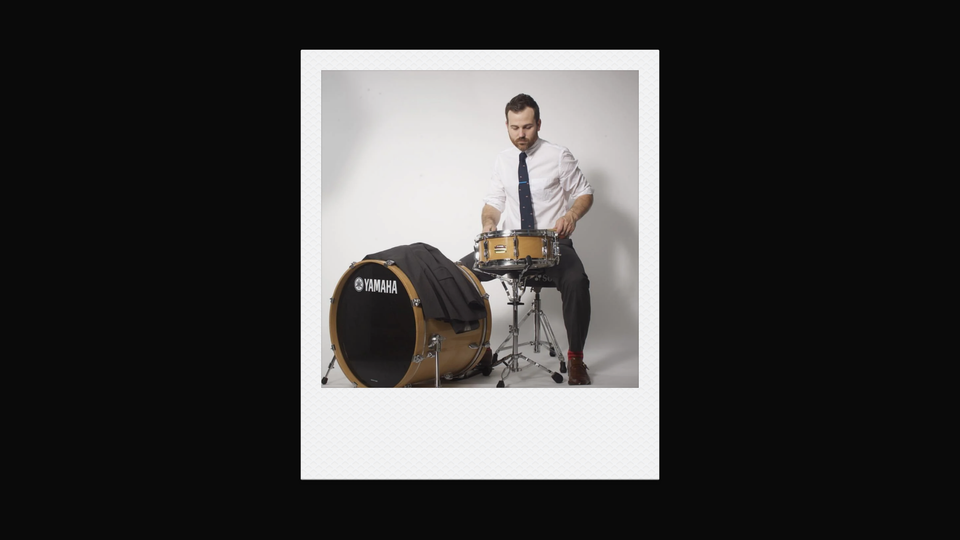
I started working jobs in middle school to pay for studio gear.
Cutting grass on weekends and through the summer. Working the fryer at Long John Silver's. I loved both jobs in a way I didn't think to question at the time. I loved them, and every dollar I had left went straight to the studio.
My buddy had a jam room in his basement. I played bass and drums and guitar. He played piano and sax. We had been making noise down there for a while before we ever called it a studio.
One day we decided to build a real one.
A Mackie twenty-four channel analog board from Mars Music for a thousand dollars. Mars was going out of business and the timing was right. I picked up a Yamaha Recording Custom drum set in birch at the same sale. Cables. Microphones. Foam panels. Headphones. Power conditioners. The endless suprise expense of two kids trying to build something adults knew was going to cost more than they would tell us.
I borrowed three thousand dollars from my mom to buy a computer that could run MOTU with twenty-four inputs of multitrack. We thought we were hot shots. My first angel investor. I paid her back.
My buddy's uncle was a contractor. We told him what we wanted and he built it. A control room. A drum room. A room for instruments and vocals. A bigger area for other singers and players. We put the studio together inside what he built.
The studio kept getting better. The rooms kept getting closer to what we imagined in our heads.
We built this studio to record bands.
Word got around. We were recording bands and singers every week. Forty and fifty year old guys would come down to our basement and like the room enough to keep coming back. That part still gets me a little. Grown adults who had been doing this longer than we had been alive, choosing to track in a basement run by two teenagers, because something about the room worked.
I spent hours down there. Hours tracking. Hours mixing. Hours testing gear just to see what it did. It was a playground.
WHAT I ACTUALLY LOVED
Looking back at the whole career that came after, I can tell you something I could not have told you then.
I did not love the mixing. I did not love the mastering. I did not love the engineering. That was the job. I was good at it but I never woke up excited about a compressor.
What I loved was the room.
The smells. The lighting. The mood when a band walked in nervous and inside fifteen minutes was loose. The drummer settling into a groove instead of fighting his kit. The bass player who finally relaxed enough to actually listen. A band that had been playing the same songs for two years hearing them differently because the walls and the carpet pad and the slight mustiness of a basement that had been waterproofed but not perfectly were doing something to them.
I did not have the language for it yet. What we were really building was an environment where people could be their most creative selves.
That has been the through line of every job I have ever had since.
THE THROUGH LINE
After the studio I did live event design and stage management. Bands liked working with me as a sound guy. Not because I was amazing. I was fine. They liked it because I made them feel great in the room before they ever played a note. I had watched the dick sound guys and I had watched the warm ones, and I picked a side. The warm ones were always going to be more fun anyway.
Event design led to event strategy. Event strategy led to experience. Experience led to creative strategy. Creative strategy led to creative marketing. Creative marketing led to creative branding. Creative branding led to storytelling. Storytelling led to running hundreds of brands through a dialed in storytelling intensive at Root Radius.
I do not remember the day, but I remember sitting still long enough one day to see it. The thing I loved at fourteen in a basement was the same thing I loved running a brand intensive twenty years later. Creating a space where people could be their most creative and productive selves.
That is the theme. That has always been the theme.
I facilitate leadership workshops now. The planning is the work. The music in the room. Knowing the personalities before they walk in. The rules of engagement. The quotes I use and when I use them. The time I let someone talk. The time I shut them down with kindness. The food. The snacks. The room. How much space is in the room. The fidget toys on the table. The no tech rule. The big stickies on the wall.
All of it is intentional. All of it is the room.
It is a little like music. As a facilitator I am the conductor. I play nothing. I listen to the room and I help the conversation move toward what it is there to produce.
I never forgot the basement. I just stopped calling it that.
My family is the basement now. My home is the basement. My office is the basement. After a couple of years of real therapy, even my own head is starting to be a basement. A room I built on purpose. A room that is on my side.
A FEW QUESTIONS, IF YOU WANT THEM
There is something calling you. There always has been. Mine was a basement studio at fourteen and a fryer at Long John Silver's at sixteen, and they were teaching me the same thing the whole time. Pay attention to what invigorates you. The signal shows up early, and it tends to keep showing up if you let it.
If you want a place to start, here are a few questions. Sit with them or skip them. Up to you.
What do you actually love about the work you do?
What was your basement studio?
What space have you built in your life so you can be your best self?
What space have you built in your company so the people you work with can be theirs?
Build a basement. Metaphorically or literally. Find your room.
That's the work.
So much respect.
Frequently Asked Questions
Q: What does it mean to say "the room is the work" in leadership? A: It means the physical environment where you do leadership work is doing as much for the conversation as the framework, the agenda, or the facilitator. The walls, the lighting, the smell, the table shape, the music, and the temperature are all variables that shape what people are willing to say and how clearly they think. Most leadership teams treat the room as neutral logistics. It is not neutral. It is an active participant.
Q: How did a teenage recording studio teach you about leadership facilitation? A: I built a basement studio with a friend in middle and high school, and I learned that the same band sounded different in different rooms. Same musicians, same instruments, same songs. The room was doing the work the band thought the band was doing. That principle has held through every job I have done since, and it is the foundation of how I run leadership workshops today.
Q: What is the through line between recording bands and facilitating leadership teams? A: Both are about creating an environment where people can be their most creative and productive selves. The work I do as a facilitator is design the room with the same intentionality I designed the studio with as a teenager. Music, lighting, smell, room shape, food, time signature. All of it on purpose. The framework runs inside the room. The room is the bigger lever.
Q: What's a basement studio metaphor for in business? A: A basement studio is any space you build on purpose to do your most important work in. It does not have to be literal. It can be your office. It can be a specific conference room. It can be a coffee shop you go to once a week to think clearly. The point is that you have built or claimed a room that is on your side, and you do your hardest work there.
Q: Why do most leaders ignore the rooms where they make decisions? A: Because they were never taught to think about a room as an actor in a conversation. They inherited the room. The architect designed it. The office manager furnished it. They moved in and started doing the work without ever asking whether the room was up to the work. Most rooms are not up to it.