Your Leadership Team Is Afraid to Tell You You're Wrong
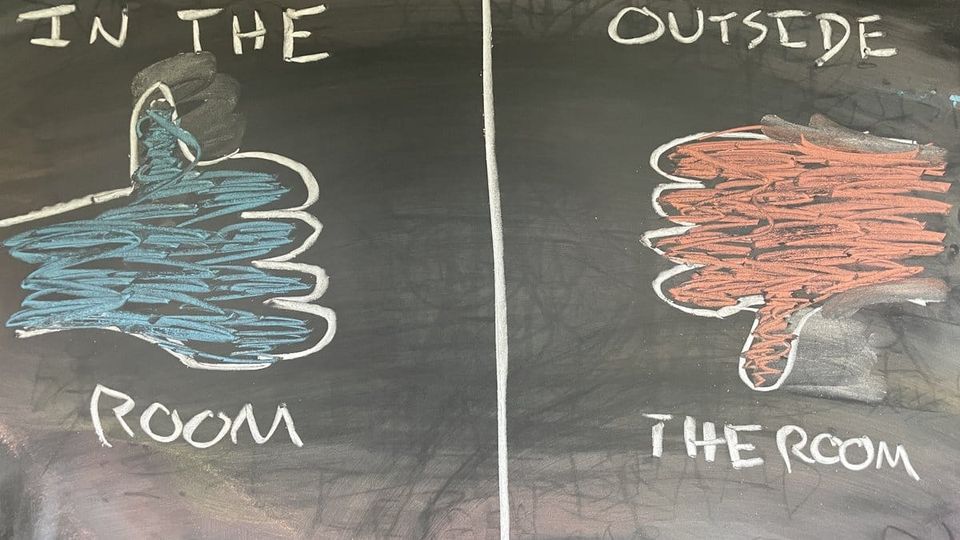
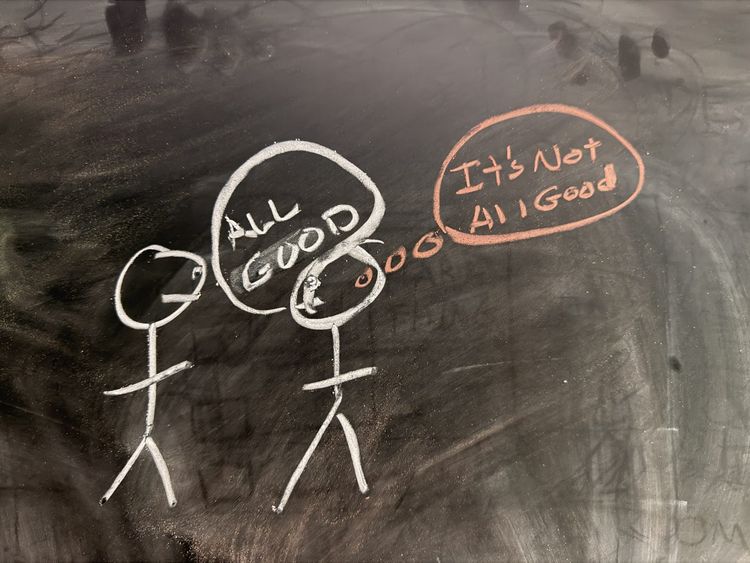
There is a specific conversation that happens in every leadership team, in every organization, at every stage of growth. It happens after the meeting. In the hallway, in the parking lot, in a text thread between two directors on the drive home.
In that conversation, the real assessment gets made. The assumption the CEO built the quarter around gets examined by the people who are closest to the work. The decision that was just finalized gets stress-tested in a way it was never stress-tested in the room where it was made.
The conversation happens every time. The organization never benefits from it. Because the people having it are not having it with the person who most needs to hear it.
They are not having it with you.
This is not a character failure on their part. It is a structural failure of the leadership environment you have built. The leader's position in the room, and the patterns they have unconsciously established, are blocking the information the organization needs to move.
Why directors don't push back
Status asymmetry shapes what gets said in a room where one person holds significantly more power than everyone else.
Pattern recognition means your directors are acting on the history of how you have actually responded to challenge. It does not matter what you say you want. It matters what you have demonstrated you can receive.
The cost-benefit calculation of pushing back rarely pencils out in organizations with even mild conflict aversion. The political cost of being the person who challenged the leader exceeds the perceived benefit of the challenge.
What it costs you
An unchallenged leadership team is not a high-functioning leadership team. It is an expensive echo chamber. The assumption you made in January that has not been seriously tested by your director team by June has been embedded in six months of decisions, resource allocations, and hiring plans.
The directors with genuine strategic capacity are the most likely to leave when they cannot exercise that capacity. The people who stay are the ones most comfortable with a follower dynamic.
What a different environment looks like
Pre-mortem sessions built into major decisions. Based on a technique developed by psychologist Gary Klein — instead of asking what could go wrong, you ask the team to imagine it is twelve months from now and this decision produced a bad outcome, then work backwards. That format gives permission to surface uncomfortable information because the exercise itself requires it.
Regular individual conversations with each director with an explicit question like: What is the one thing we discussed this week that you are least confident about? That question changes the information flow dramatically.
Model the change publicly. Say in a leadership meeting: I was wrong about that call we made in March. Here is what I missed. They cannot be told that being wrong is safe. They have to see it.
What to do with this
This week, before your next leadership team meeting, write down the one assumption in your current strategy that you are most confident about. In the meeting, surface it as a question to the team: I want to make sure we have genuinely stress-tested this. What is the strongest case that we are wrong about it?
Then do the hardest part. Be quiet. Do not answer first. Just listen.
The strongest arguments against your decisions are in the building. The question is whether they are reaching you.
Frequently Asked Questions
Q: Why doesn't my leadership team push back on my decisions? A: Because the cost-benefit calculation rarely pencils out. The political cost of being the person who challenged the leader exceeds the perceived benefit of the challenge. Your directors are acting on the history of how you have actually responded to challenge, not on what you say you want. The constraint is ego blocking information flow, and it is built quietly over months of small moments where pushback was received poorly. By the time you notice the silence, the pattern is already established.
Q: What is ego blocking information flow as a leadership constraint? A: Ego blocking information flow is the constraint where the leader's position in the room, and the patterns they have unconsciously established, prevent the information the organization needs from reaching them. The team has the analysis. The team has the dissent. The team has the strategic insight. None of it makes it to the leader because the team has learned what the leader can and cannot receive. The leadership team becomes an expensive echo chamber.
Q: How does a pre-mortem session actually work? A: A pre-mortem, developed by psychologist Gary Klein, reverses the post-mortem format. Instead of asking what could go wrong, you tell the team it is twelve months from now and this decision produced a bad outcome. Then ask them to work backwards from that future to explain what happened. The exercise gives permission to surface uncomfortable information because the format itself requires it. Directors who would not push back on a decision will explain why the same decision failed twelve months from now.
Q: How do I get my team to challenge my strategic assumptions? A: Start with a specific question, not a general invitation. "What do you all think?" gets you silence. "What is the strongest case that we are wrong about this?" gets you the real conversation. Pair that question with one structural change: ask it in a one-on-one before you ask it in the group. The director who would never push back in front of peers will often push back in a one-on-one if the question is framed as helping them help you.
Q: Why do my best directors keep leaving? A: The directors with genuine strategic capacity are the most likely to leave when they cannot exercise that capacity. An organization that does not allow dissent does not develop leaders. It develops followers. The strongest people on your team need to feel that their judgment matters. When they figure out that their judgment is not actually wanted, they go somewhere it is. The ones who stay are the ones most comfortable with the follower dynamic.
So much respect.