
Your Brand Story Has to Lead With the Life. Not the Label.
A founder asked me for fifteen minutes.
Supplements company. Health plans. Real product, real ingredients, real intention. He had paid for the website, paid for the photography, paid for the labels. He wanted me to look at the whole thing and tell him what I thought.
I told him his brand looked scammy.
That is the verbatim quote. He went quiet on the call. I could see him deciding whether to be offended or curious. I gave him a moment. He chose curious. We kept talking.
This article is about why his brand looked scammy when the product was good and his intentions were honest. The same reason your brand might look like something it isn't, even when you are doing real work.
You led with the label
The brand led with the label. The label is the thing on the front of the bottle. Ingredients. Claims. Certifications. That is identity-led positioning. When you structure the entire customer experience around what the company makes and what the company is, rather than who the customer is trying to become. It is one of the most common constraints in brand storytelling.
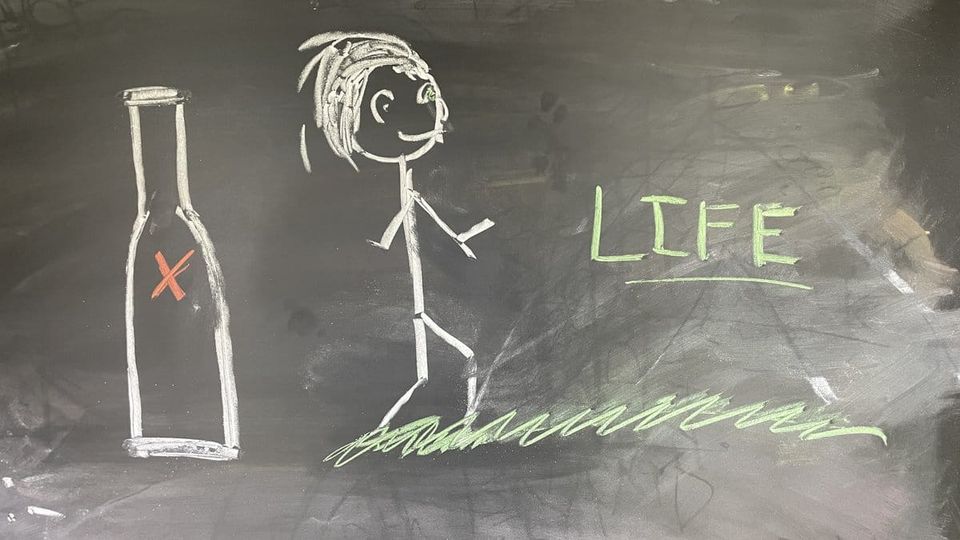
The brand is about the life the customer is trying to live. The label is just a token they hold to remind themselves they are that kind of person now.
When you lead with the label, you are forcing the customer to do the translation work themselves. Most of them do not do that work. They came in shopping for a life and you handed them a bottle.
The other reason it looks scammy
There is one more thing happening when a brand leads with the label. It triggers a defense mechanism in the customer's brain that I call the supplement-industry filter. Once it fires, you cannot un-fire it.
His product was real. His intentions were honest. His marketing was indistinguishable, at a glance, from the worst actors in his category. Not because his marketing was dishonest. Because he had structured his marketing around the label, the same way the dishonest ones do.
What it means to lead with the life
Leading with the life means you start the customer's experience of your brand from the inside of the customer, not the outside of your product. Who is this person trying to become? What does their morning look like? What life are they trying to build? None of that has anything to do with your label.
The label is the receipt, not the reason. If your brand story leads with the receipt, you have skipped the entire purchase decision.
Why most brands don't do this
You actually have to know who your customer is. Not in a demographic sense. In a genuine what-are-they-becoming-and-why sense. Most companies have not done the work that produces a clear answer to the question: what life are these people trying to build.
You also have to know who you are. Most brands try to be for everyone. Brands that try to be for everyone are for nobody.
What this looks like for nonprofits
Your donors are buying the life that giving to you allows them to live. Lead with the life. Then prove it with the program metrics. Not the other way around.
What to do with this
Look at your homepage hero section right now. If the first sentence is anything about your product, your features, your mission statement, your category, or your awards, you are leading with the label.
Rewrite the hero section in one paragraph that has nothing to do with what you make. Write it about who your customer is trying to become and what their life looks like when they get there. Then put one sentence underneath that says, here is how we help.
Lead with the life. The label is the receipt.
Frequently Asked Questions
Q: What does it mean for a brand to lead with the life instead of the label? A: Leading with the life means you start the customer's experience of your brand from the inside of the customer, not the outside of your product. Who is this person trying to become? What does their morning look like? What life are they trying to build? The label is the receipt. The receipt is not the reason they bought. If your brand story leads with the receipt, you have skipped the entire purchase decision and forced the customer to do the translation work themselves. Most of them do not do that work.
Q: What is identity-led positioning and how is it a constraint? A: Identity-led positioning is the constraint where a company structures its entire customer experience around what it makes and what it is, rather than who the customer is trying to become. It is one of the most common constraints I diagnose. Symptoms include marketing that attracts the wrong customers, messaging that resonates with nobody specifically, and a brand that feels generic despite excellent underlying work. The fix is upstream of the marketing. It starts with knowing who your customer is becoming, not what you sell.
Q: Why does my brand look scammy when my product is actually good? A: Because you have structured your brand around the label, the same way the dishonest actors in your category do. Your marketing is indistinguishable, at a glance, from the worst actors. Not because your marketing is dishonest. Because identity-led positioning produces the same visual and structural patterns whether the underlying product is real or fake. The customer brain has developed a filter for the category. Once that filter fires on your brand, you cannot un-fire it.
Q: How do I know if my brand is leading with the label? A: Look at your homepage hero section. If the first sentence is about your product, your features, your mission statement, your category, or your awards, you are leading with the label. If the first sentence is about who your customer is trying to become and what their life looks like when they get there, you are leading with the life. Most companies fail this test. The fix is a rewrite that starts from the customer's becoming, with the product mentioned only as the mechanism that supports it.
Q: How does leading with the life apply to nonprofits and donor brands? A: Your donors are buying the life that giving to you allows them to live. They are not buying your program. They are buying the version of themselves who is the kind of person who gives to your cause. Lead with that life. Then prove it with the program metrics. Most nonprofits do this backwards, leading with statistics and mission language, then trying to retrofit the donor's identity onto the appeal. Lead with the life. Prove with the metrics. Not the other way around.
So much respect.