The Room Goes Quiet When I Walk In (What Playing in Bands Taught Me)
I have been playing drums and guitar since I was a kid.
I am not a great player. I am a competent one. I have spent enough hours on a kit and behind a guitar to know what music actually teaches you, which is something completely different from what most people think.
People assume music is about technique. About skill. About how fast your hands are or how clean your changes are.
It isn't. Not at the level that matters.
Music is about listening. Music is about tempo. Music is about knowing when to play and when to shut up. Music is about reading a room of three or four other people in real time and making thirty small decisions a minute that none of them are consciously aware of.
That is exactly what facilitation is.
What does it mean to find the pocket as a leader?
Anyone who has ever played in a band knows what the pocket is.
The pocket is the moment when four people who were just playing music individually start playing music together. The drummer locks in with the bass player. The guitar starts breathing with the snare. The singer stops fighting the band and lets the band carry them. Suddenly you are not playing parts. You are playing one thing.
You can feel it in the room. The temperature changes. The air gets denser. People who weren't paying attention start paying attention.
The thing about the pocket is you can't will it into existence. You also can't fake it.
You can practice for a thousand hours and still play with another musician for the first time and not find it. You can play with the same musician for ten years and lose it for a week. You can pick up an instrument with a stranger at a jam and find it inside of two minutes if both of you are listening hard enough.
The pocket is a function of presence and listening. Not skill.
When I started running workshops, I realized I had been training for facilitation my whole life without knowing it. The job is idnetical. You are trying to get a room of people to find the pocket.
Why do the best leaders talk less in meetings?
The single most important thing I learned from drums is when to lay out.
The thing nobody tells you when you start playing is that what you don't play is more important than what you do. The kick on every quarter note is amateur hour. The fill in every bar is amateur hour. The cymbal crash on every change is amateur hour.
What separates a competent drummer from a real one is silence. The decision not to hit something. The half measure of nothing right before the chorus. The space.
Listen to a great rhythm section sometime. Notice how much they aren't playing. Notice how the parts breathe. Notice how the not-playing creates the playing.
Now sit through a bad meeting. Notice how nobody is laying out. Everyone is playing every beat. Every voice fills every gap. The leader fills the silence the moment it appears, like the silence is a problem to solve. The team learns that silence is a problem and starts filling it themselves. Now the meeting is a wall of sound and nothing is being said.
The best facilitators I have watched know how to lay out. They drop a question. They wait. They wait through the discomfort. They wait through the second wave of discomfort, the one that is more embarrassing than the first. They wait until somebody who would never normally speak speaks, because they have learned that the silence is going to keep being there until someone fills it differently.
That is a drummer move. That is a music move. That is what music teaches you that nothing else can.
How do you manage the energy of a room?
The other thing music teaches is dynamics.
Loud is not better. Fast is not better. More is not better. The right amount of energy in the right place is everything.
A great song has a verse that breathes, a chorus that lifts, a bridge that surprises, an ending that lands. A bad song is loud all the way through. The audience does not register loud all the way through. They register one sound, and then they tune it out.
Same with a workshop.
You can not run a four-hour workshop at maximum intensity. The room will not hear it. You have to know when to bring it up and when to bring it down. You have to know when the team needs to be challenged and when the team needs a fifteen-minute break to let what just happened settle.
I plan dynamics into every workshop the way I would plan dynamics into a song. There is a verse opening that is mostly quiet. There is a build to a chorus where the hard truth gets said. There is a bridge that nobody saw coming and that re-orients the whole conversation. There is a closing that lands the room back in their bodies and gives them something to walk out with.
Most facilitators I have watched run their workshops in one register. Loud and fast for four hours. Or polite and even-toned for four hours. Either way, the room stops registering them.
How do I know if I'm overpowering my team?
There is one more thing music teaches that I want to name, because it lives at the heart of the leadership work I do.
When you play with other musicians, you find out fast whether you are willing to serve the song.
A great bass player is not trying to be heard. A great bass player is trying to make the drummer sound better and the singer sound better and the guitarist's solo soar. If a bass player is overplaying, you can hear it instantly. The whole song collapses into a competition that the bass player thinks they are winning while the room walks out.
A bad bandmate plays for themselves. A great bandmate plays for the song.
Leadership is exactly this question, every day. Are you playing for yourself or are you playing for the song?
The CEO who has to be the smartest person in the room is overplaying. The ED who needs to be the visionary at every donor lunch is overplaying. The founder who interrupts every team meeting with a "yeah and another thing" is overplaying.
The work of a real leader is to make the people around them sound better. Their team sounds better. Their board sounds better. Their partners sound better. Their funders sound better. Their best people get more confident and more capable in their presence, not less.
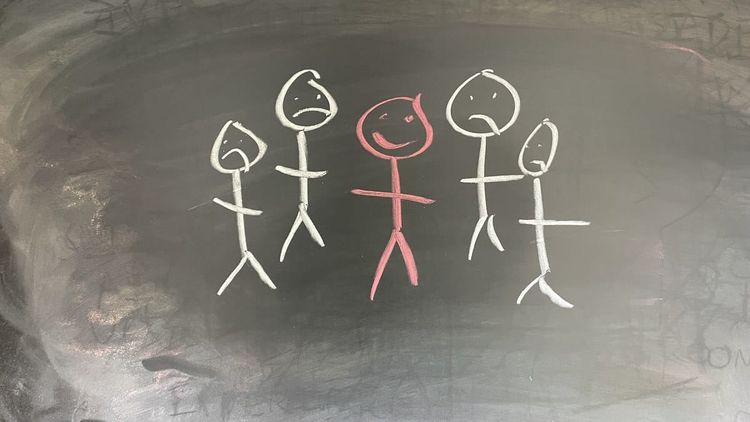
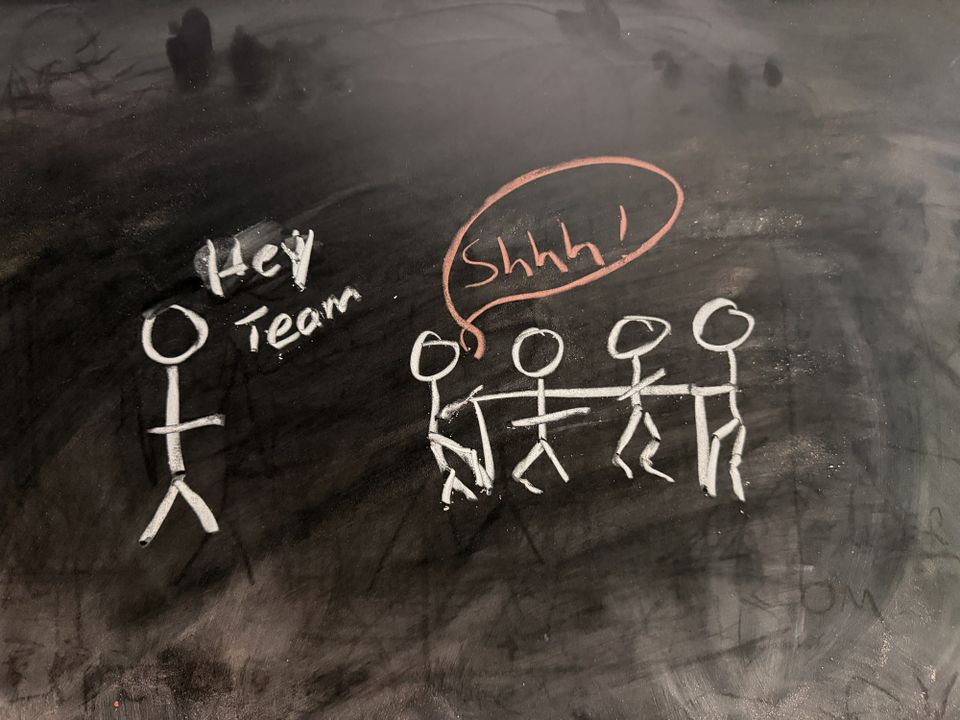
If your team gets quieter when you walk in, you are overplaying. Lay out for a beat. See what the song does without you.
How can I get my team to open up in meetings?
Find a meeting this week where you typically dominate. Could be a one-on-one. Could be a department standup. Could be an exec meeting.
Go in and play eight notes for every sixteen notes everyone else plays. Half the volume of words you would normally bring. Twice the listening.
Notice what happens to the conversation. Notice who speaks up that doesn't normally speak up. Notice what idea surfaces that you would have normally talked over before it formed.
That's the pocket showing up. The room finds it when you stop demanding all the bars for yourself.
Music taught me that. I am paying it forward.
Frequently asked questions
What can music teach you about leadership? Playing in a band trains a specific skill that transfers directly to leading people: serving the outcome instead of your own visibility. A musician who overplays, who fills every bar to be heard, collapses the song even while feeling like they are winning. The same instinct in a leader collapses the room. The discipline music builds is knowing that the group's result depends on what you choose not to play, and that restraint is a skill developed over time, not a personality trait some leaders happen to have.
Why do the best leaders talk less in meetings? Silence in a room functions the same way rests function in music: it creates the space where something can actually happen. A leader who fills every pause trains the team that pauses are theirs to fill, and the people who would only speak into open space stop speaking at all. The leaders who get the most from a room have learned to drop a question and wait through the discomfort until someone who would never normally speak does, because the information they most need lives with the people least likely to compete for airtime.
How do you read and manage the energy of a room? Every room has dynamics, and a leader who runs at one volume for the entire session loses the room the same way a song played at full intensity throughout stops registering. The skill is sensing when a group needs to be pushed and when it needs to settle, when to bring the energy up and when to lay out entirely. This is learned by paying attention to the room as a live thing that changes rather than a fixed audience receiving a plan, and it determines whether people leave having actually shifted or merely having sat through something.
How do you know if you're overpowering your team? The clearest signal is what happens to a room when you enter it. If the conversation quiets, if the energy drops, if people who were talking start measuring their words, you are overplaying, and the team has adapted to it long before you noticed. Overpowering rarely feels like dominance from the inside; it feels like being engaged, having ideas, contributing. The tell is not your intent but the room's response, and the response is honest in a way self-assessment is not.
How can I get quieter team members to contribute? The move is to lay out on purpose, the way a musician drops out to let another player carry the line. Ask a question and leave the space genuinely unfilled, past the point of comfort, because the people you most want to hear from are the ones who will not speak over a leader who is still playing. Reducing your own output in a meeting is not passivity, it is the deliberate creation of room for other people to step into, and it consistently surfaces the ideas that would otherwise never form out loud.
Take this if it serves you. Much Respect, -bryan